Arte Fiera
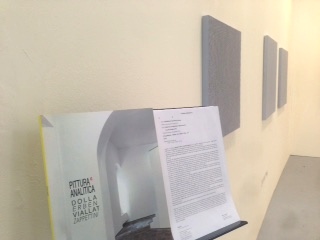
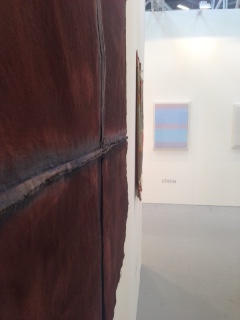
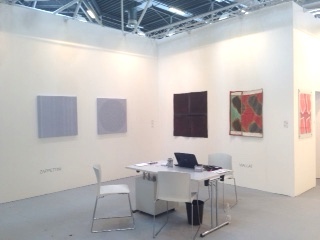
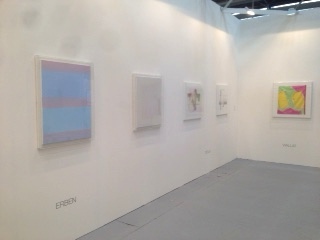
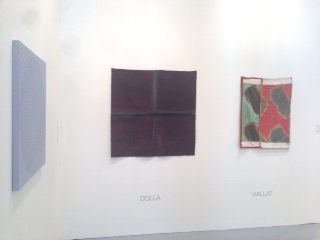
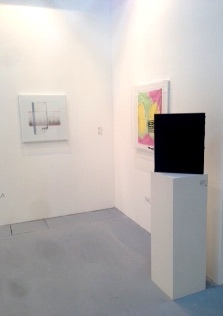
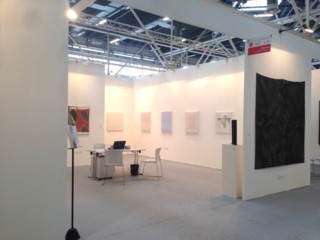
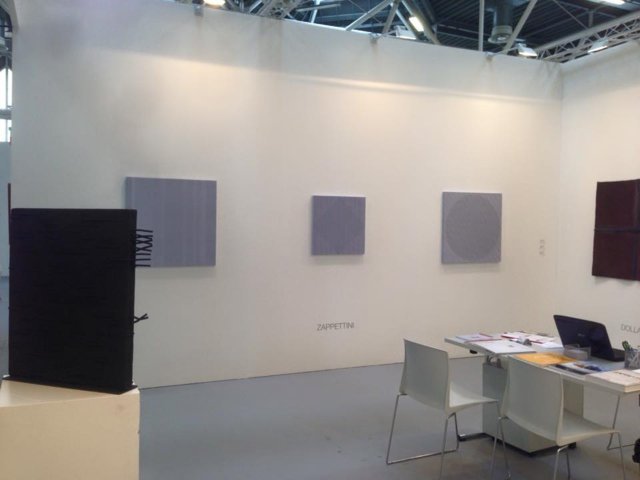
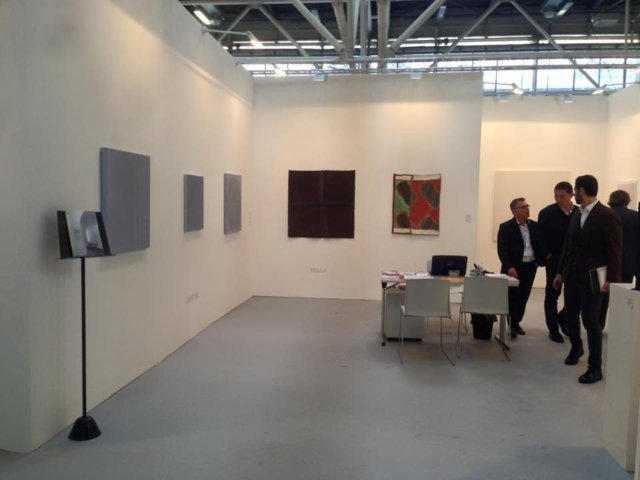
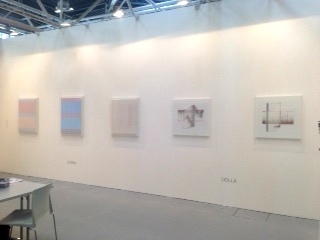
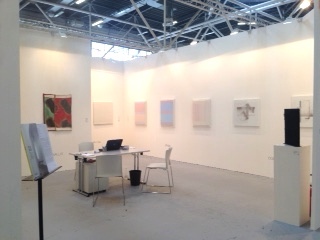
Astrazione Analitica è un progetto dedicato alla corrente della pittura europea che negli anni Settanta reagì alla sfida dell’Arte Concettuale e dell’Arte Povera e riqualificò la disciplina pittorica nella contemporaneità dei linguaggi artistici. Riscoperto da ormai un decennio da critica, pubblico e mercato, il movimento – che fin da subito si caratterizzò come transnazionale, a cavallo tra Italia, Germania e Francia – continua a essere oggetto di nuove indagini storiografiche, e continua a disvelare spunti di ricerca ancora attuali e degni di essere approfonditi. Noël Dolla, Ulrich Erben, Claude Viallat e Gianfranco Zappettini, che negli anni Settanta furono tra i principali esponenti della Pittura Analitica, ancora oggi restano attori importanti del panorama dell’astrazione internazionale. Menhir Arte Contemporanea, da sempre attenta alle espressioni della recente scena artistica e ai movimenti storicizzati e in via di storicizzazione, ha iniziato con una mostra intitolata proprio Astrazione Analitica (a cura di A. Rigoni, La Spezia, 27 giugno-6 settembre 2015) un percorso nel lavoro storico e recente di questi quattro protagonisti. I francesi Dolla e Viallat sono due protagonisti di Supports/Surfaces, il gruppo che a Nizza, a cavallo tra la fine degli anni Sessanta e l’inizio dei Settanta, accolse le suggestioni del Nouveau Réalisme e dell’Arte Povera per portare nella pittura quella rivoluzione sociale che dopo il maggio 1968 era ormai in atto. In quegli anni in Germania e Italia, Erben e Zappettini si muovevano invece verso il superamento dell’Arte Concreta e dell’Arte Concettuale, assimilandone gli spunti più innovativi, come il rigore compositivo e la centralità del pensiero nel processo pittorico, considerando la pittura come un linguaggio, con grammatica e sintassi sue proprie. Il progetto espositivo di Menhir Arte Contemporanea prevede, nei prossimi mesi, le mostre personali dedicate proprio ai quattro artisti, a partire da Ulrich Erben, per proseguire poi con Gianfranco Zappettini, Noël Dolla e Claude Viallat, in un dialogo tra il passato e il presente attraverso il confronto di opere recenti e storiche, excursus e visione d’insieme di una sensibilità internazionale viva allora come ai giorni nostri.
Dal testo di Alberto Rigoni in catalogo: “Le due linee di ricerca di quel movimento qualificano quell’esperienza degli anni Settanta come effettivamente nuova, perché accoglie in sé le istanze proprio di quelle correnti immediatamente precedenti che miravano alla distruzione della pittura stessa, come l’Arte Povera (vedi Dolla e Viallat e il loro interesse per la natura e la materia) e l’Arte Concettuale (vedi Erben e Zappettini e il loro concentrarsi sul processo mentale che precede l’azione). Ecco il perché del titolo dell’odierna mostra alla galleria Menhir, in cui il nome unitario del gruppo Pittura Analitica si scinde in quelle due sfumature che lo caratterizzavano (‘Pittura’ più legata alla varietà di colore, gesto e supporto, e ‘Analitica’, rivelatrice di una riflessione sul metodo e sul linguaggio), atteggiamenti e interessi concettualmente distinti ma storicamente uniti, che ancora oggi si riverberano nei lavori più recenti dei quattro maestri. Quella solidità teorica, unita alla felicità dell’esecuzione, ha consentito infatti ai Nostri di mantenere fino a oggi un alto livello di produzione, grazie a quella coerenza concettuale e a quella sapienza esecutiva che hanno affinato in gioventù”.
Bologna