Miart 2022
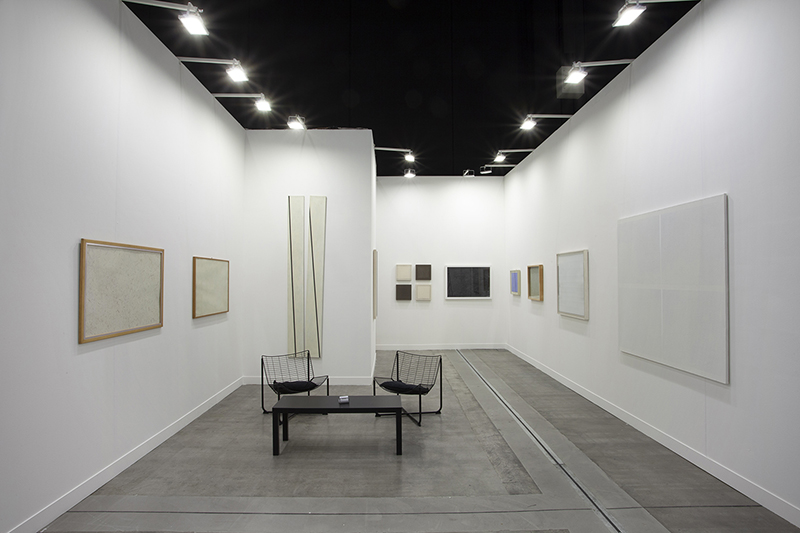

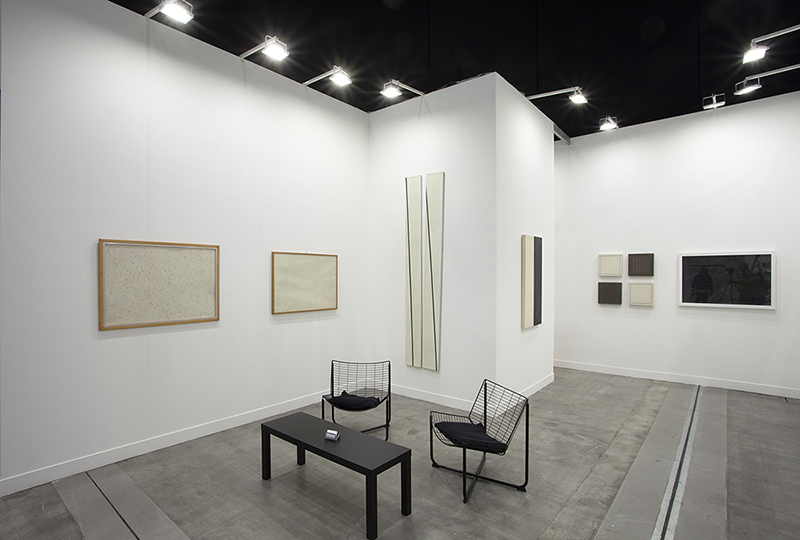
Menhir Art Gallery è lieta di annunciarVi la sua partecipazione a Miart 2022 nella sezione “Established” con un progetto espositivo dal titolo “Le superfici opache della pittura analitica” che ripercorre la storicità del movimento e il suo approccio rivoluzionario e riflessivo, esponendo le opere dei più importanti artisti del panorama europeo che ne hanno fatto parte.
Analitica: dal greco analytikḗ (tékhnē): arte dello scomporre
Partendo dall’etimologia crediamo che ciascuno di noi riesca da subito a comporre l’immagine fondamento della Pittura Analitica. Fin dal suo significato e collocando il Movimento tra la metà degli anni Sessanta e la fine degli Anni Settanta, anni in cui la pittura venne rifondata, scomposta in se stessa appunto, rispetto ai linguaggi altri e nuovi che gli artisti con determinazione ricercavano nei primi decenni successivi alla Seconda Guerra Mondiale (Action Painting tra gli altri), potremmo immaginare e comprendere come lo stesso Movimento riuscì così a risalire sulla cattedra di linguaggio specifico, dopo un faticoso percorso alla ricerca del proprio “grado zero” e fu parte di questo processo di rifondazione.
Fu un microcosmo tra molti affine, che oggi, a 40 anni e oltre dalla sua parabola, si staglia su un contesto – quello di allora - della rinascita della pittura, allora piuttosto nebuloso, definito come della Nuova Pittura.
La Pittura Analitica fu una delle tante denominazioni della Nuova Pittura e fu l’unico tentativo di dare una definizione precisa, riferibile ad un ristretto numero di artisti, accomunati da determinate caratteristiche, non riscontrabili o non predominanti con altri, su un definito asse geografico (un asse internazionale, vera rarità per quegli anni).
Insieme alla Transavaguardia e all’Arte Povera, furono Gruppi e quindi Movimenti che fecero dell’esclusività una delle caratteristiche fondanti. Tuttavia, prima di essere così definito, passò da un processo di definizione frutto di un percorso intercontinentale (dalla definizione di Linea Analitica dell’Arte Moderna del docente Filiberto Menna nel 1975, alle avvisaglie della collettiva del 1967 all’Institute of Contemporary Art di Philadelphia, al testo del 1969 di Joseph Kosuth – Art After Philosophy, al titolo della mostra al Guggenheim di New York del 1966 tra gli altri) obbligato a contribuire a un processo di definizione appunto: Pittura-pittura, Pura- Pittura, Nuova-Pittura, Systemic-Painting, Pittura Opaca.
Ciascuna nuova definizione corrispondeva all’incirca ad una nuova mostra. Tuttavia, la maggior parte dei pittori chiamati in causa, rifiutava, se non proprio osteggiava, ogni intento classificatorio
(IONONRAPPRESENTONULLAIODIPINGO – così definiva uno degli artisti il suo lavoro).
Le varie correnti (che videro grandi, burrascose ed intensissime storie) e i rispettivi artisti furono:
- quella americana nel quale operavano Berthot e Robert Ryman
- inglese nel quale operavano Alan Chartlon. Robyn Denny, Alan Green, e David Letteret
- belga nel quale operavano Piet Teraa e Dan Van Severen
- francese, nel quale operavano Buren, Mosset, Parmentier e Toroni riunitisi ufficialmente sotto la sigla BMPT e di Supports/Surfaces nel quale operavano Dolla e Viallat
- olandese nel quale operava Rajilich
- tedesca nel quale operavano George Baselitz, Penck, Richter, Girke e Wilfred Gaul
- italiana nel quale operavano Claudio Verna, Carmengloria Morales e Gianfranco Zappettini tra gli altri
e tutte insieme diedero costrutto a questa riflessione sul linguaggio della pittura, a questa voglia di ripiegarsi su tela, telaio e colore, a questa presa di distanze da espressioni come l’Informale e la Pop Art che dominavano il mercato del collezionismo tedesco e da una temperie internazionale che all’inizio degli anni Settanta appariva come scoraggiante.
Nacque, così, la Pittura Analitica che Klaus Honnef indica con decisione come “un nuovo sviluppo nella storia dell’arte” con nuovi interrogativi mai emersi nella storia della pittura fintanto che il suo linguaggio fu comprensibile, celebrata in Italia fin da quegli anni dalla Galleria Peccolo, dalla Galleria Bertesca e dalla Galleria del Milione di Milano.
Tela, colore, materiale, contenuto, sostanza, soggetto i suoi concetti.
Ben incastonata tra due scultorei movimenti dell’arte come l’Arte Povera e la Transavanguardia, e oggi ben individuabile e individuata, (appare evidente il proprio spessore e il percorso di riflessione tra le due correnti) è tornata alla ribalta da circa un ventennio, grazie anche al pregevole lavoro svolto da parte della Fondazione Zappettini (che ringraziamo per alcuni dei supporti storici e informativi resici). Menhir Art Gallery per Miart, con questo progetto speciale frutto di una ricerca iniziata nel 2013, ne celebra l’aura sovranazionale e paneuropea, il parallelismo tra Pittura e Linguistica, la sua essenza e il suo coinvolgimento con alcune delle opere più significative degli artisti fondanti del Movimento.
ARTISTI IN ESPOSIZIONE E BREVI CENNI BIOGRAFICI
Mr. JAAP BERGHUIS, nato a Smilde (Olanda) nel 1945. Ha vissuto e lavorato ad Amsterdam (Olanda) dove è mancato nel 2005.
“Quando cerchi di costruire uno stato di concentrazione mentale per i quadri futuri, è il momento più difficile. E’ una specie di pittura che emana, non riesci a vederti con la coscienza mentre dipingi, anche se tu controlli l’azione del dipingere, non la puoi correggere. Fino al momento in cui perdi il contatto con il quadro, tutto va bene. Quando poi cominci a guardare con la coscienza, allora perdi il contatto”
Mr. ULRICH ERBEN, nato a Dusseldorf (Germania) nel 1940. Vive e lavora tra Dusseldorf e (Germania), e Bagnoregio (Italia)
“La superficie colorata avrebbe potuto evocare delle associazioni: il bianco soppianta il colore. E io volevo allontanarmi dalle associazioni, lontano dall’oggetto. Questo non aveva nulla a che vedere con il veicolare considerazioni filosofiche. Uso il bianco come elemento neutralizzante e come non-colore. Non potevo più usare il verde senza pensare ad un albero”
Mr. WINFRED GAUL, nato a Dusseldorf (Germania) nel 1928 dove è mancato nel 2003
“Quali sono i materiali della pittura?
Colore, Tela, Telaio. Se preferisco oggi nella pittura materiali poveri, se mi piace di più la tela grezza e non il fondo d’oro, e se mi servo del gesso da scuola a poco prezzo, dei colori da bambini invece dei colori costosi da artisti non vuol dire altro che al momento questi materiali sono quelli da me preferiti per il mio lavoro. La decisione pro o contro un materiale deve essere visto come parte di un processo chiamato da noi pittura”
Mr. RAIMUND GIRKE, nato nel 1930 a Heinzendorf/Niederschlesien (polobia). E’ mancato a Colonia (Germania) nel 2002
“Elementi decisivi nel processo lavorativo sono i materiali: essi richiedono specifici approcci che devono rimanere intelleggibili. La serie delle pennellate, adattate alle dimensioni della superficie, crea un campo più o meno movimentato, e la connessione tra strati di pittura, successivi e quasi indistinguibili tra loro, ha per risultato una tonalità quasi omogenea e straordinarie densità e intensità del colore”
Ms. CARMENGLORIA MORALES, nata a Santiago del Cile nel 1942. Vive in Italia dall’inizio degli anni ’50, tra lunghi periodi passati tra New York e Londra
“Mi interessa sempre controllare i confini percettivi e percepibili. Questo atteggiamento di riflessione sulle potenzialità implicite nel mio linguaggio mi muove una necessità di analisi delle strutture (nel senso più oggettivo) interne della pittura e del loro articolarsi secondo relazioni pure, fondamentali”
Mr. TOMAS RAJLICH, nato nel 1940 a Jankov (Repubblica Ceca). Dopo oltre 40 anni passati in Olanda (post occupazione sovietica della Repubblica Ceca), dal 2010 vive e lavora a Praga ed in Italia, vicino Verona
“La griglia nei miei dipinti ha una doppia connotazione: all’inizio del mio lavoro davano ancora una impressione di spazialità; otticamente, l’effetto dello spazio si infiltrava nella tela, il che era per me sbagliato. Tutto deve accadere sulla superficie, e ho iniziato a lavorare lontano da illusioni spaziali: ecco perché la griglia comunque è rimasta”
Mr. RUDI VAN DE WINT, nato nel 1942 a Den Helder (Olanda), dove è mancato nel 2006
“Due problemi si pongono nel mio intimo: i principi formali e la pittura. Io parto da principi formali anonimi come la diagonale, la simmetria, la sezione aurea, la composizione (nelle nature morte), la figura nello spazio e l’estetica (nelle ricostruzioni di colori). Inoltre la pittura è arricchita dai ritmi della struttura anatomica del colore che è quasi priva di identità. L’obiettivo più ambizioso è un vuoto di identità”
Mr. GIANFRANCO ZAPPETTINI, nato nel 1939 a Genova. Vive e lavora a Chiavari (Genova)
“Mi sono orientato verso mezzi poveri, scartando a priori quelli tradizionalmente più nobili, affinchè il mio fare, abbandonata ogni possibile condizione di privilegio, assuma il carattere di anonimità-lavoro. Il rullo adempie a questa funzione e diventa di questo fare lo strumento specifico; infatti mentre la “pennellata” tende sempre più alla gestualità, alla connotazione autobiografica, il rullo non produce un “gesto”, bensì un “movimento” impersonale, non riconoscibile, uniforme”
Fieramilanocity, Viale Ludovico Scarampo - 2019 Milan | Pav 3 - Stand B138